Garage door repair
Garage door stuck? Start with what broke.
A door that will not open, will not close, hangs crooked or came off its track. Find what broke, what is safe to check yourself, and when to schedule a visit.
Call (866) 332-1030 to schedule a visitCalls may be recorded. Describing the problem commits you to nothing.
What stopped working?
Springs and cables hold the door's weight under tension. Federal rules require every residential opener's manual to say that repairs to them belong to a qualified service person. Sensors, batteries and a lock switch are yours to check.
-
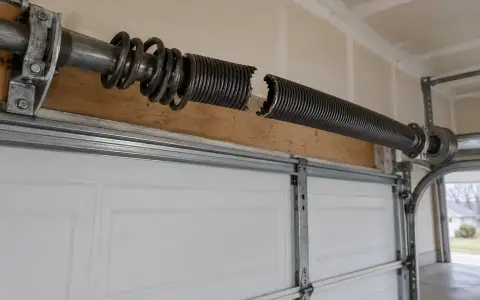 Broken springA loud bang, then a door that lifts a few inches or feels far too heavy.
-
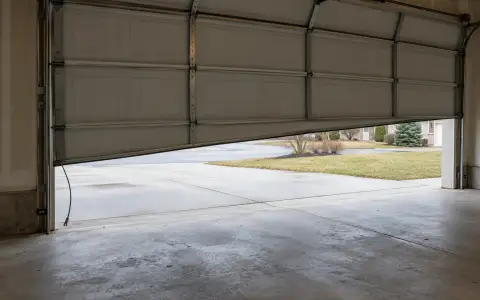 Snapped cableThe door hangs crooked, or a cable dangles beside the track.
-
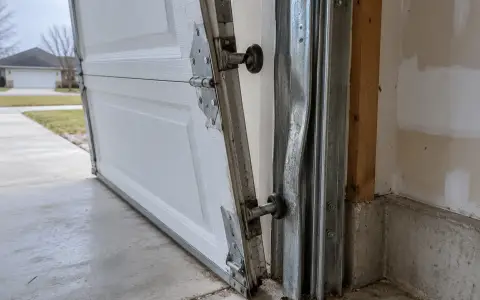 Off trackRollers have left the track and the door tilts, binds or grinds.
-
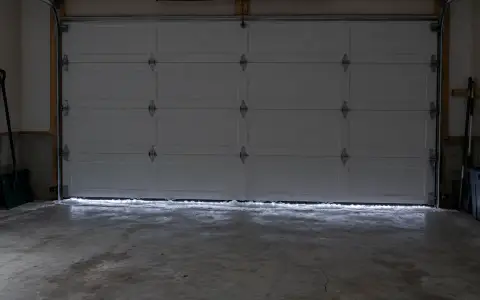 Won't openNothing happens, the opener hums, or the door lifts a few inches and quits.
-
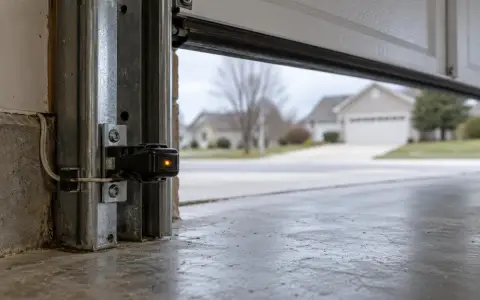 Won't closeThe door starts down and goes back up, or closes only while the button is held.
-
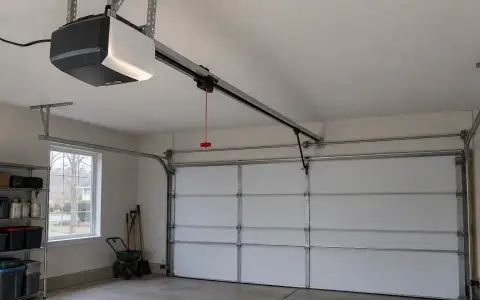 Opener runs, door doesn'tThe motor hums or runs and the door stays where it is.
-
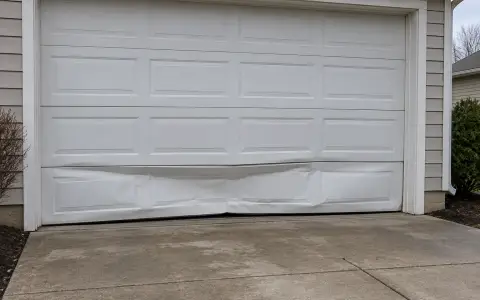 Car hit the doorPanels bent, tracks pushed out, and the garage may not close.
Yours to check, or a technician's?
Start from what you see. The middle column is everything the sources on this site say an owner can safely do; the rest is work on parts under spring tension.
How a garage door works
The springs carry the weight. A sectional door is balanced by springs, either one long coil on a bar above the door or springs along the tracks. Bolts that hold parts under that tension are red under the industry standard for counterbalance systems, ANSI/DASMA 103, which also calls for labels warning people not to remove them.
The cables lift the corners. Steel cables carry the spring force down to the bottom brackets at each side. When one breaks, that corner drops and the door hangs crooked.
The opener only moves a balanced door. It is required to reverse a closing door "within 2 seconds of contact with the obstruction" (16 CFR 1211.7), and openers made since January 1, 1993 must have a second, external protection, usually two photo-eye sensors near the floor.
That is why the line between do-it-yourself and a technician falls where it does. The federal text in every residential opener's manual says: "Have a qualified service person make repairs to cables, spring assemblies and other hardware."
The one-minute monthly check
- Open the door fully.
- Lay a 2-by-4 flat on the floor in the middle of the opening.
- Close the door with the opener and watch it meet the board.
- It must stop and go back up. If it presses down or stops without reversing, disconnect the opener, with the door closed and the springs whole, until it is adjusted, repaired or replaced.
That is the test federal rules require in every residential opener's manual: "Test door opener monthly." The Consumer Product Safety Commission adds: "Inspect the garage door and the garage door opener every 30 days to make sure they are working properly." More on the reverse test
Before anyone starts work
Licensing depends on the state. California has a license class for doors (D-28), required for jobs of $1,000 or more or any job that needs a permit. Florida's state garage door license is voluntary and can replace a local one. Washington registers contractors with an overhead and garage door specialty. In Texas we did not find a separate state license for this work. Each state page says what we found.
Ask for proof of insurance. The Federal Trade Commission's advice: "Consider only contractors who are licensed and insured. Check with your state or county government to confirm a contractor's license, and ask the contractor for proof of insurance."
Know the three-day rule. A repair visit you asked for is outside the FTC's Cooling-Off Rule, but a new door or opener sold in your home on that visit, for household use, can come with three business days to cancel. Before you call
On the coast
Texas. In 14 coastal counties and parts of Harris County east of Highway 146, most homes need a windstorm certificate to buy a TWIA policy, and TWIA names garage doors among the improvements that need to be certified. A door replaced without the inspection may make the home ineligible.
Florida. Miami-Dade and Broward counties form the High-Velocity Hurricane Zone. Doors used there commonly carry a Miami-Dade Notice of Acceptance, and a copy must be available at the job site for the building official.
Everywhere. Where the 2021 residential code or a later one is adopted, a new door carries a label with its wind pressure ratings in pounds per square foot, not miles per hour. Wind-rated doors
Questions people ask first
What does a repair cost?
National cost guides put a typical repair in the low hundreds of dollars and a spring replacement around the same, but the real price depends on what a technician finds: the type of spring, whether one or both are replaced, the weight of the door, the cables and rollers. Ranges by part, with their sources: repair cost, spring replacement cost.
Who answers the phone?
An independent garage door provider in your area, or a company that schedules appointments for providers. This site does not do repairs; it is paid when a call qualifies. How this site is paid
How long do springs last?
One manufacturer, Amarr, rates standard residential springs at about 10,000 cycles, one opening and one closing each. The industry association publishes no number and lists door weight, climate and lubrication among what changes it.
Can I open the door by hand?
Not with a broken spring: nothing is holding its weight. With the springs whole, the federal manual text says to use the release "only when the door is closed" where possible.
Does the line take calls from businesses and renters?
The line takes calls about doors at homes and at commercial buildings, from owners and from renters. It does not take calls about doors on box trucks or trailers, or from people buying parts.
Is there a provider in my town?
Calls go to a provider in the caller's area where one takes part. There are pages for towns in every state, but this site cannot promise a provider in every one.
Largest cities
- New York, NY
- Los Angeles, CA
- Chicago, IL
- Houston, TX
- Phoenix, AZ
- Philadelphia, PA
- San Antonio, TX
- San Diego, CA
- Dallas, TX
- San Jose, CA
- Austin, TX
- Jacksonville, FL
- Fort Worth, TX
- Columbus, OH
- Charlotte, NC
- San Francisco, CA
- Seattle, WA
- Denver, CO
- Oklahoma City, OK
- El Paso, TX
- Washington, DC
- Boston, MA
- Las Vegas, NV
- Portland, OR
- Detroit, MI
- Memphis, TN
- Baltimore, MD
- Milwaukee, WI
- Albuquerque, NM
- Fresno, CA
By state
Licensing differs from state to state, and so do the rules on the coast. Each state page leads to its counties and towns.
- Alabama
- Alaska
- Arizona
- Arkansas
- California
- Colorado
- Connecticut
- Delaware
- District of Columbia
- Florida
- Georgia
- Hawaii
- Idaho
- Illinois
- Indiana
- Iowa
- Kansas
- Kentucky
- Louisiana
- Maine
- Maryland
- Massachusetts
- Michigan
- Minnesota
- Mississippi
- Missouri
- Montana
- Nebraska
- Nevada
- New Hampshire
- New Jersey
- New Mexico
- New York
- North Carolina
- North Dakota
- Ohio
- Oklahoma
- Oregon
- Pennsylvania
- Rhode Island
- South Carolina
- South Dakota
- Tennessee
- Texas
- Utah
- Vermont
- Virginia
- Washington
- West Virginia
- Wisconsin
- Wyoming
Replacing, and checking
-
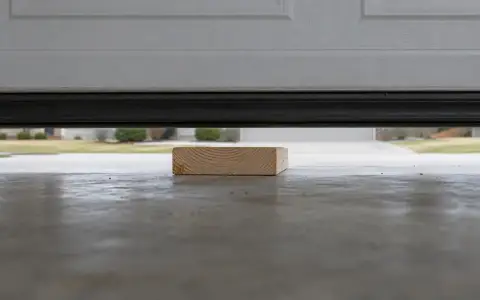 Reverse testThe monthly check with a 2-by-4 that residential opener manuals require.
-
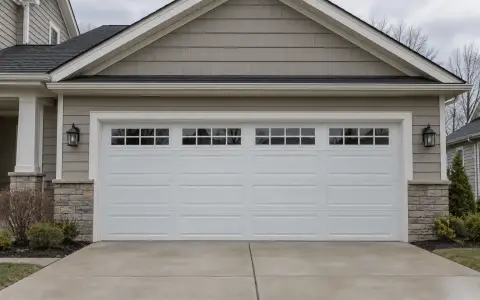 Door replacementA new door: measurements, wind label, insulation and the three-day rule.
-
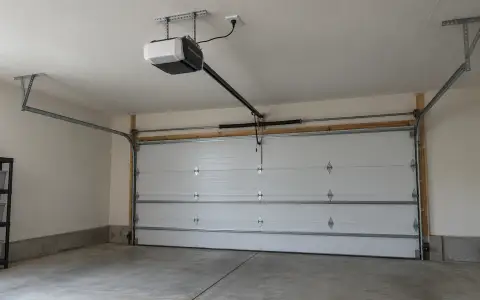 Opener replacementAn old opener, one that fails the reverse test, or one that has quit.
-
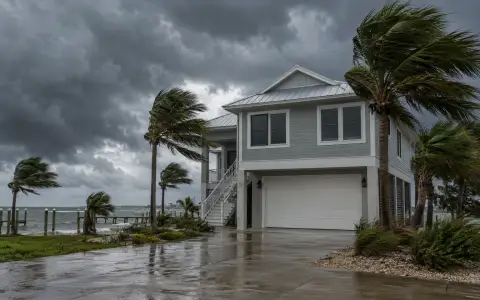 Wind-rated doorsCoastal Texas, South Florida and anywhere the code asks for a wind label.
-
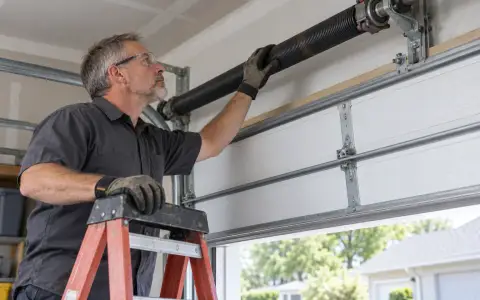 Before you callWhat the call covers, what you will be asked, and what to check.
What it costs
- Spring replacement costTorsion and extension springs, parts and labor, from three cost guides.
- Repair costSprings, cables, tracks, panels, sensors and labor, by source.
- Opener installation costChain, belt, screw and direct drive, installed, with labor and extras.
- New door costOne, two or three cars; steel, wood, aluminum; labor and removal.
Openers, remotes and keypads
-
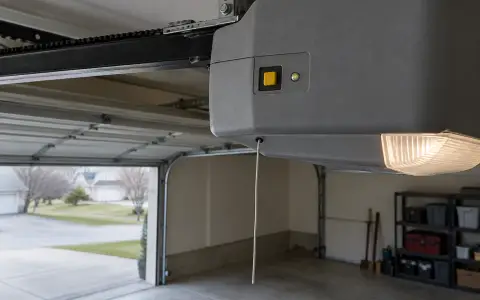 LiftMaster remotePair a remote to a LiftMaster, Chamberlain or Craftsman opener.
-
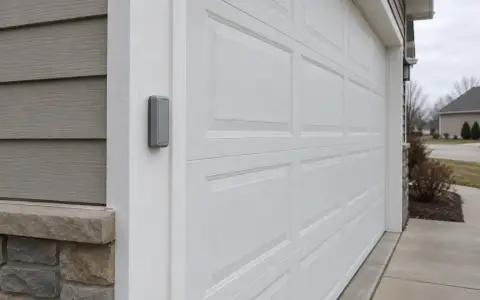 LiftMaster keypadSet a PIN, pair the keypad, change the PIN or add a temporary one.
-
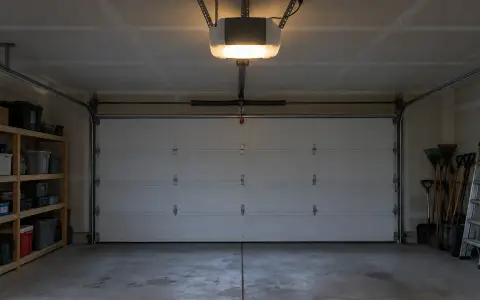 Blinking lights and codesTen flashes, five flashes and the up and down arrow codes, decoded.
-
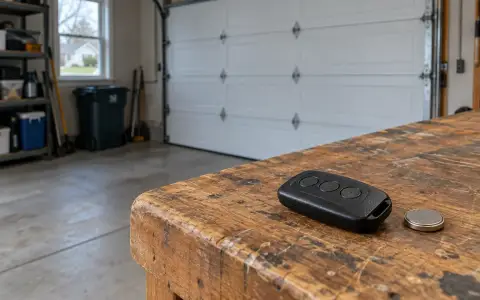 Genie remoteProgram button or Learn Code button: pair the remote either way.
-
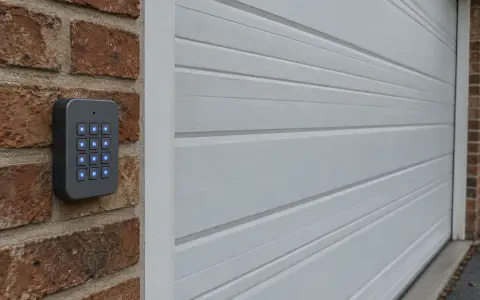 Genie keypadSet the PIN, pair it to one door or three, and reset it.
-
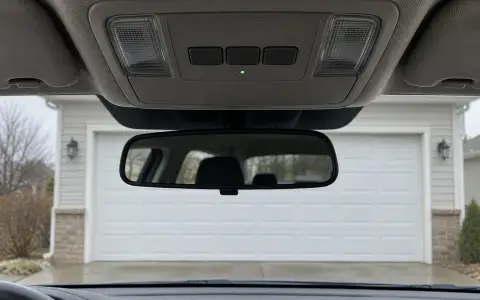 HomeLink in the carTrain the car's built-in buttons, then finish at the opener.
-
 Erase all remotesAfter a lost remote, a new house, or a neighbor's remote that works.
-
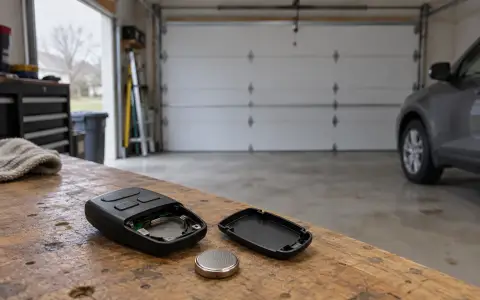 Remote not workingLock mode, battery, pairing, LED bulbs and range, in that order.
-
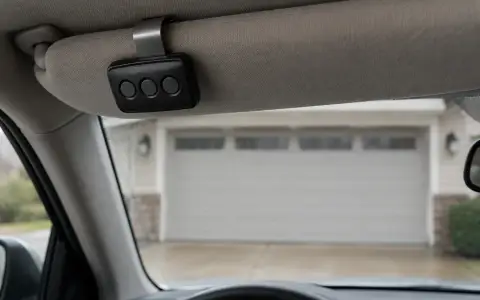 Craftsman remote and keypadPair a remote or keypad, erase codes, read the Learn LED's flashes.
-
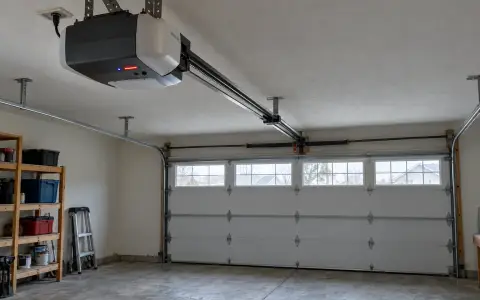 Genie blink codesPowerhead LEDs, Excelerator codes and Safe-T-Beam sensor lights.
-
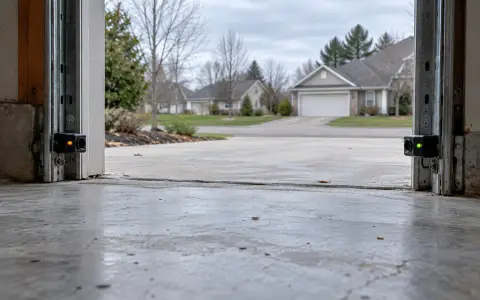 Safety sensorsSensor lights, height, alignment, sunlight and wiring faults.
-
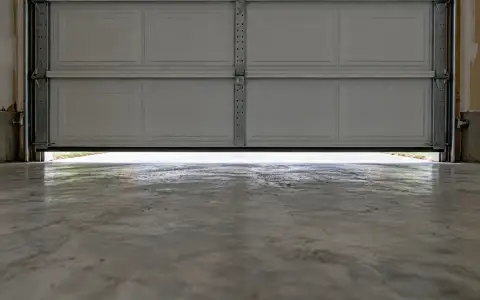 Travel limits and forceDoor stops short, reverses at the floor or opens too far.
-
 myQ and Wi-FiAdd the opener to the myQ app and read its blue and green light.
-
 Universal remoteOne remote for most brands: the press count for each, by year.
-
 Wall button not workingPower, lock mode, a stapled wire, or the button itself.
-
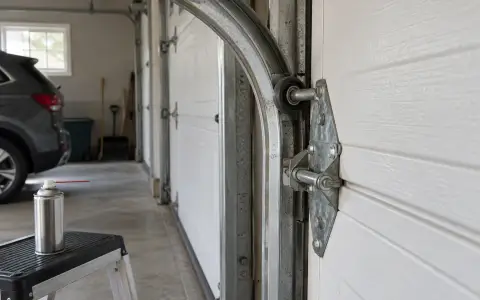 Maintenance and lubricationMonthly checks, yearly oil, and what never to grease.
-
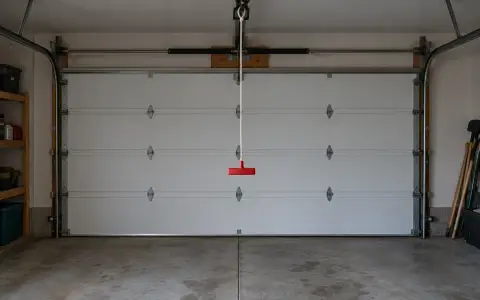 Emergency releaseOpen the door by hand in a power cut, then reconnect it.
-
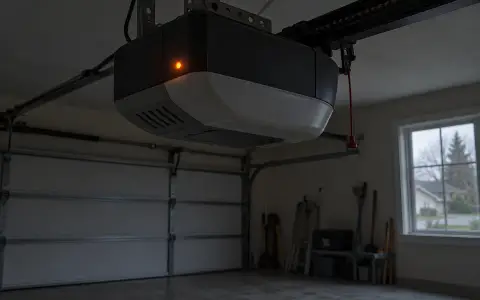 Battery backupOrange light, beeping every 30 seconds, and how to test it.
-
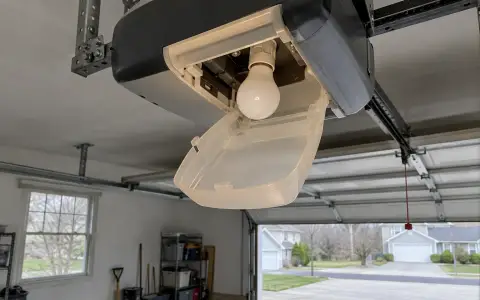 Opener light bulbsWhich bulb fits, LED bulbs that cut remote range, the light timer.
What you will be asked
- What stopped working, in one sentence: a bang and then the door would not lift, a crooked door, a door that goes back up.
- The door: sectional panels or one solid piece, one car wide or two, and roughly how old.
- The springs: a coil on a bar above the door, or springs along the tracks, and whether one shows a gap.
- The name on the opener’s motor housing, and roughly how old it is.
- Whether the door is open or closed right now, and whether a car is inside.
The line takes: repair, replacement and installation of garage doors and openers, for owners and renters, at homes and at commercial buildings. It is not for: buying parts, doors on box trucks and trailers, or a price quoted over the phone without a visit. The price is named after someone has seen the door.