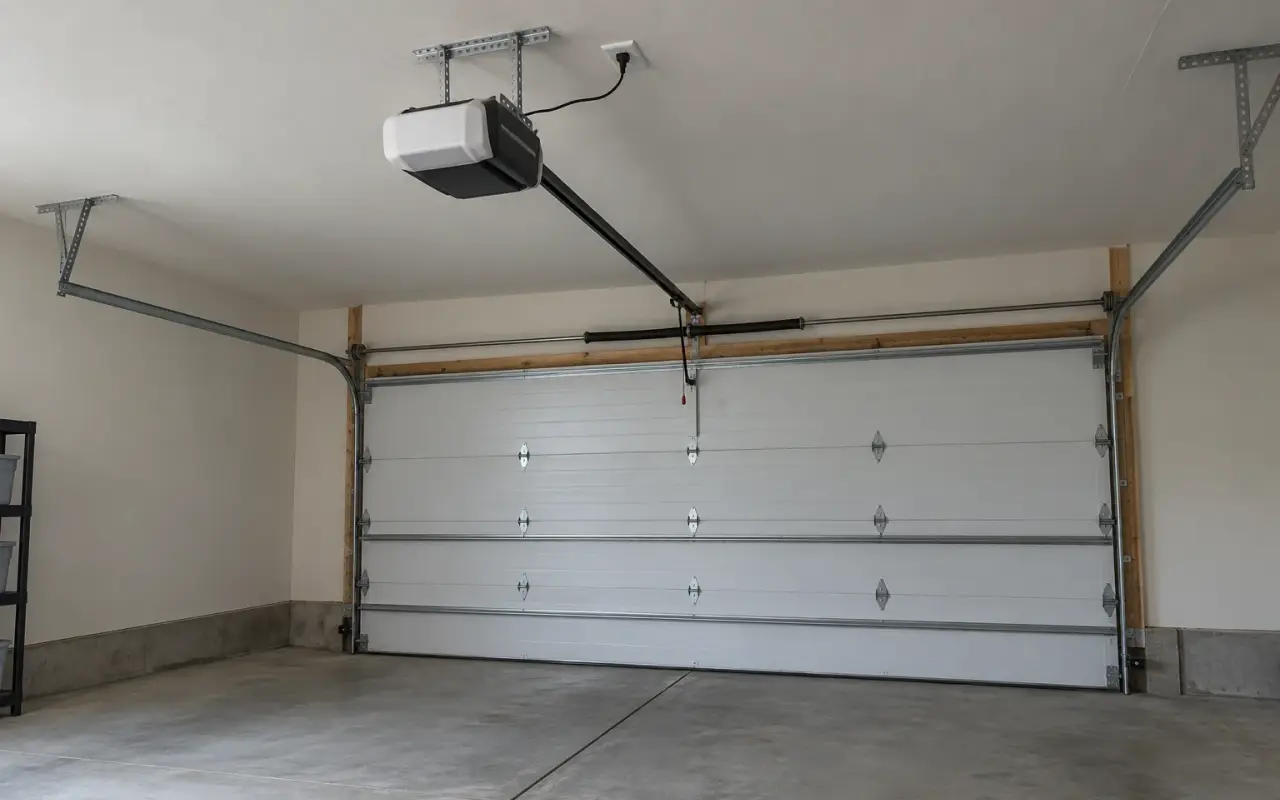
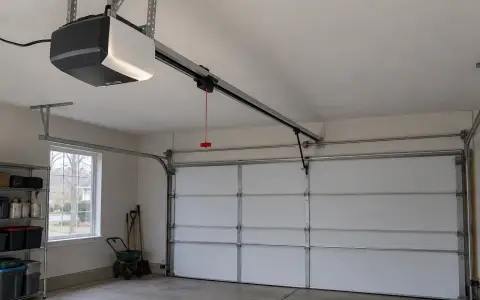
An opener can be repaired many times. There are also good reasons to stop repairing one, and most of them come down to age and safety rather than to the motor.
Reasons to replace rather than repair
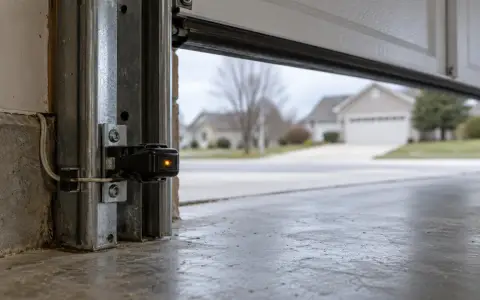
- It predates the federal protections. Openers made for sale after January 1, 1991 have had to reverse on contact; external protection, usually two photo-eye sensors near the floor, was required from 1993 (CPSC Pub. 523). The current federal standard applies to openers manufactured on or after January 1, 1993 (16 CFR 1211.1). An opener with no sensors near the floor may be older than all of that.
- It fails the reverse test and adjustment does not fix it. The CPSC's instruction is that such an opener "should be disengaged until the unit is either adjusted …, repaired, or replaced." See the reverse test.
- It has failed and the repair is close to the cost of a new one. The technician can say which, after seeing it.
Check the door before the opener
An opener is built to move a door that its springs have balanced. The federal text in every residential opener's manual reads "KEEP GARAGE DOOR PROPERLY BALANCE" [sic] and tells owners to "have a qualified service person make repairs to cables, spring assemblies and other hardware" (16 CFR 1211.16(b)(2)). A new opener on a door with a weak spring will strain and wear like the old one did, so a good visit checks the springs and cables before the new opener goes up.
Closing on a timer or from a phone
Many new openers can close the door on a timer or from an app, with nobody watching. The federal rule does not allow that on every door: "Unattended operation shall not be permitted on one-piece garage doors or swinging garage doors" (16 CFR 1211.14(a)(2)). If your door is a single piece that tilts up rather than a door of hinged panels, say so on the call.
In California: battery backup
Since July 1, 2019, California law has barred installing a residential opener in the state "that does not have a battery backup function" (Health & Safety Code § 19892(a)). A new opener installed in California must have one.
Wiring and licenses
Opener work involves low-voltage wiring to the sensors and wall button and, sometimes, a new outlet. Some states treat the electrical part separately from the door work. Your state's page says what we found about licensing there.
Updated 2026-09-30.
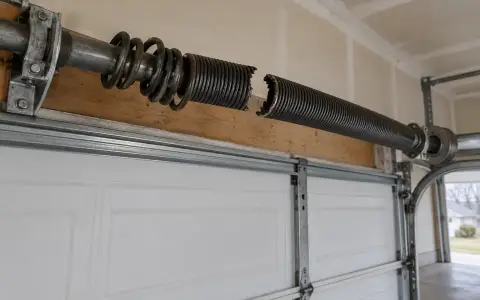 Broken spring
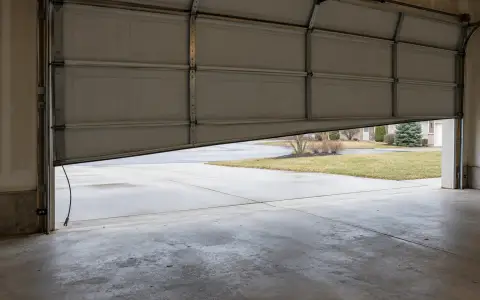 Snapped cable
 Off track
 Won't open
 Won't close
 Opener runs, door doesn't
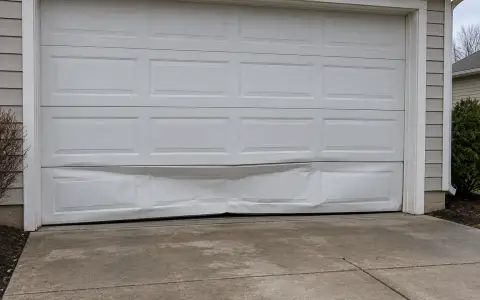 Car hit the door
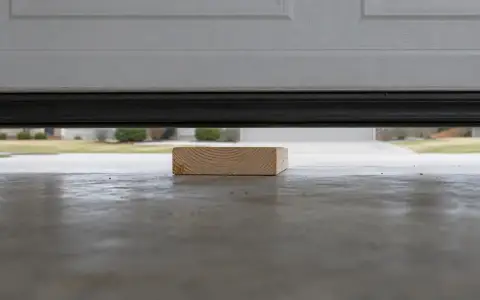 Reverse test
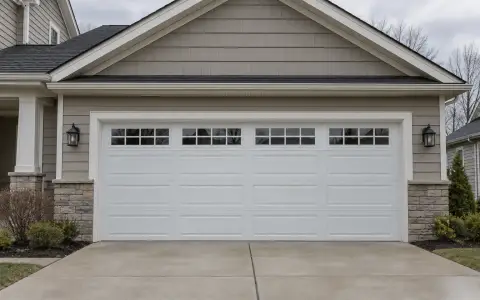 Door replacement
 Wind-rated doors
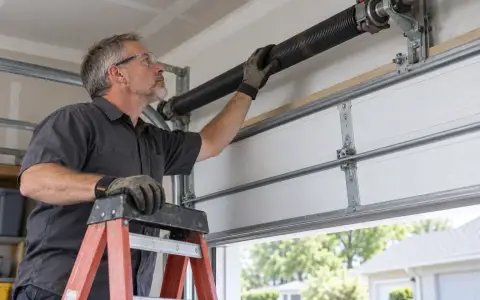 Before you call