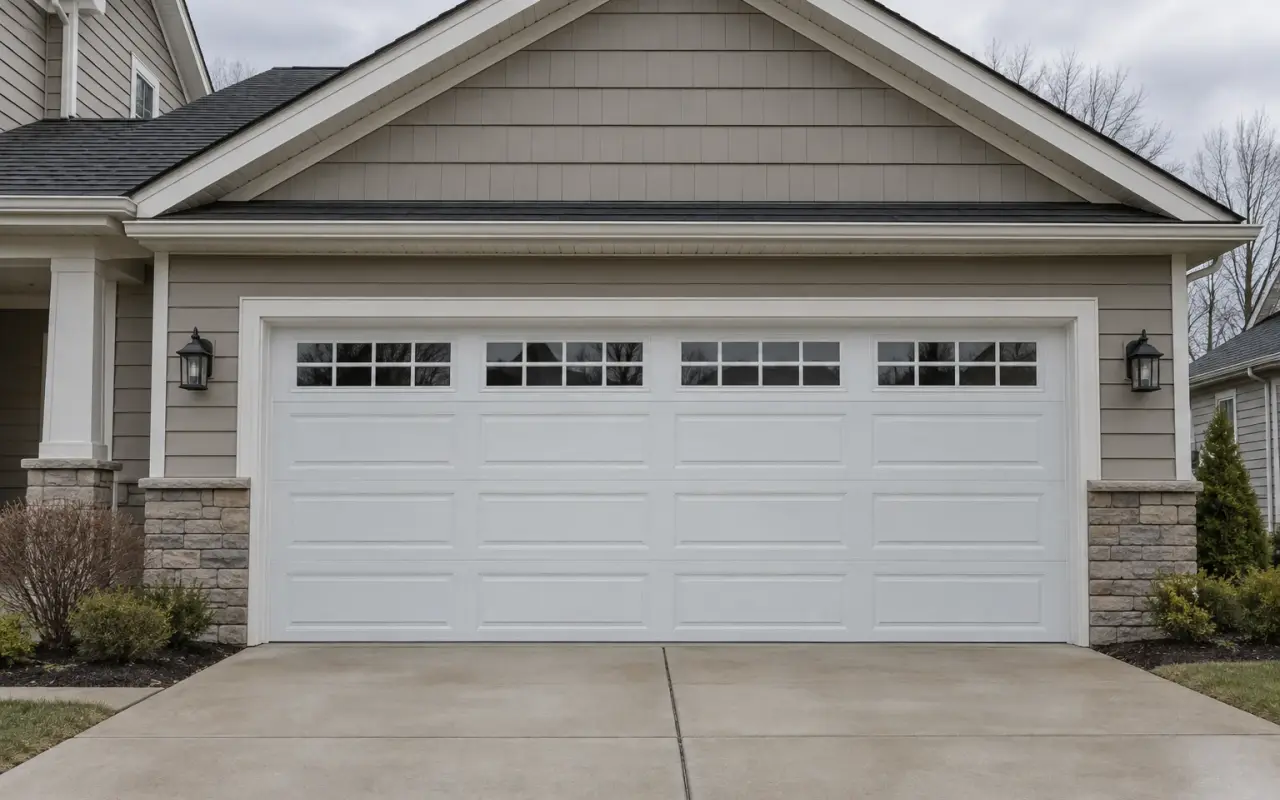
A new garage door starts with a visit, not a catalog. The opening, the space above it for the tracks and springs, the room on each side and the depth of the garage decide which doors fit, and the old door's springs, tracks and opener decide what else changes with it. That is why the price is named after the measurements are taken.
The label on a new door
The International Residential Code requires garage doors to be tested for wind load, and its 2021 edition added a label; the label applies where that edition or a later one has been adopted. The code's text, as quoted by the International Code Council:
The label shall identify the garage door manufacturer, the garage door model/series number, the positive and negative design wind pressure rating, the installation instruction drawing reference number, and the applicable test standard.
— IRC R609.4, as quoted in the ICC Building Safety Journal
The rating on that label is a pressure in pounds per square foot, not a wind speed. The door industry's association is direct about it: "The building code requires design pressure (psf) on the label" (DASMA TDS #1502). A door advertised by miles per hour tells you less than the label does. Ask for the positive and negative ratings in psf, and ask whether they meet what your local building department requires. Near the Gulf and Atlantic coasts there is more to it: see wind-rated doors.
Insulation claims
Insulated doors are sold by R-value, and the numbers are easy to misread. The industry's association notes that for garage doors "U-factor and R-value are not reciprocals of each other" (DASMA TDS #163): an R-value often describes the insulation in a panel, while a U-factor from a test describes the whole door, including its joints and edges. If the door's energy performance matters to you, ask whether a U-factor was tested for the whole door.
ENERGY STAR does not label garage doors. Its specification for doors covers "a sliding or swinging entry system designed for and installed in a vertical wall separating conditioned and unconditioned space," and the word "garage" does not appear in it.
In California: check the opener before a new door
Since July 1, 2019, California law says that "no replacement residential garage door shall be installed in a manner that connects the replacement door to an existing residential automatic garage door opener" without a battery backup (Health & Safety Code § 19892(c)). A new door on an old opener without battery backup can mean a new opener too.
If a new door is offered on a repair visit
A technician who came to fix a spring may recommend a new door. Under the FTC's Cooling-Off Rule, a repair visit you requested is excluded from the rule, but goods and services sold beyond that repair are not: "Things you buy beyond that repair or maintenance request are covered," in the FTC's words. A new door sold in your home on that visit, for household use, can come with three business days to cancel, and the seller has to tell you so in writing. Signing a handwritten statement that the work is an emergency gives that right up. There is nothing wrong with the recommendation. It is worth knowing the rule before you sign.
Updated 2026-10-10.
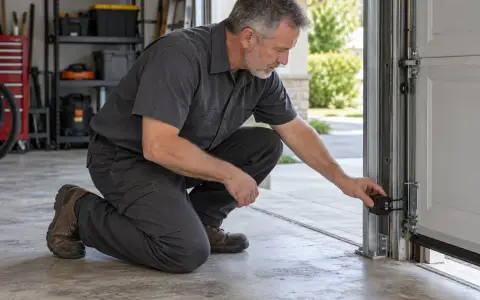
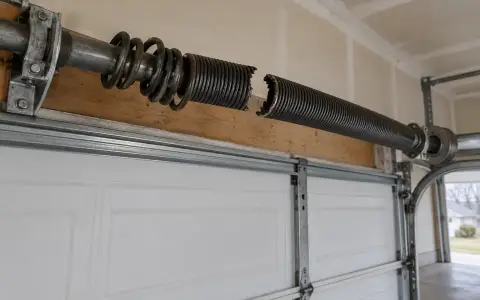 Broken spring
 Snapped cable
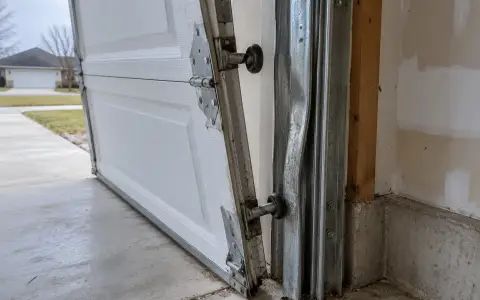 Off track
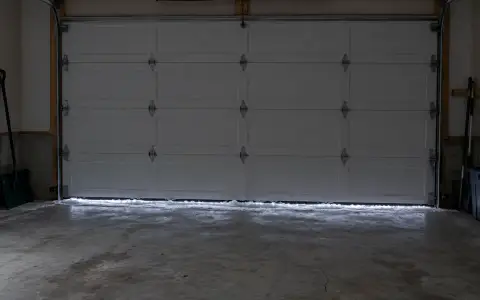 Won't open
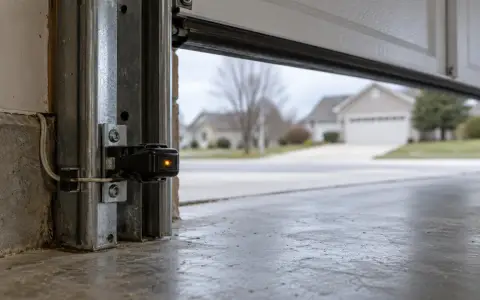 Won't close
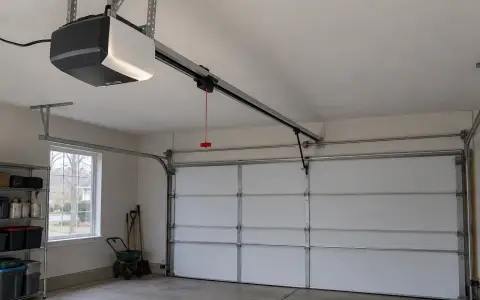 Opener runs, door doesn't
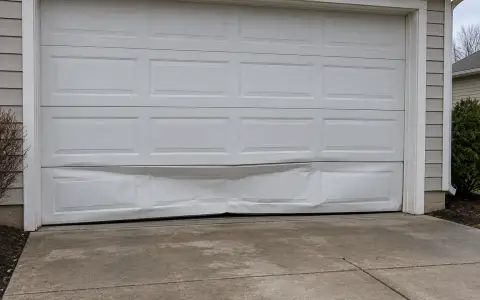 Car hit the door
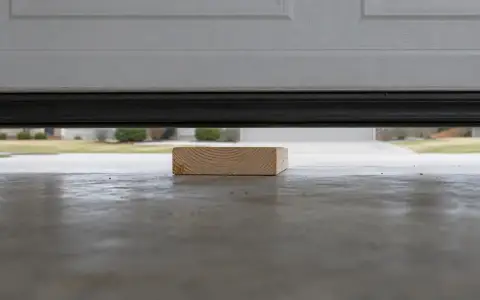 Reverse test
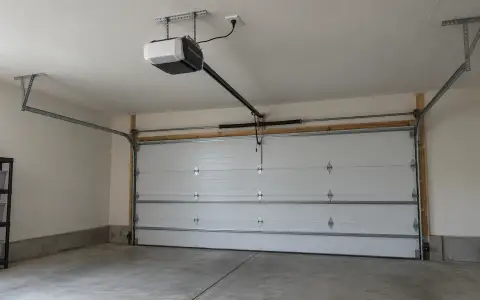 Opener replacement
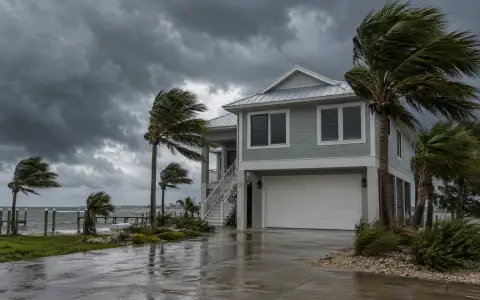 Wind-rated doors
 Before you call