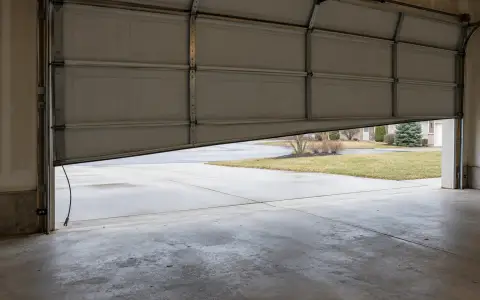
The opener makes its noise and the door does not budge. There are three usual explanations, and they can be told apart from the floor of the garage, without lifting the door by hand.
1. The door is disconnected from the opener
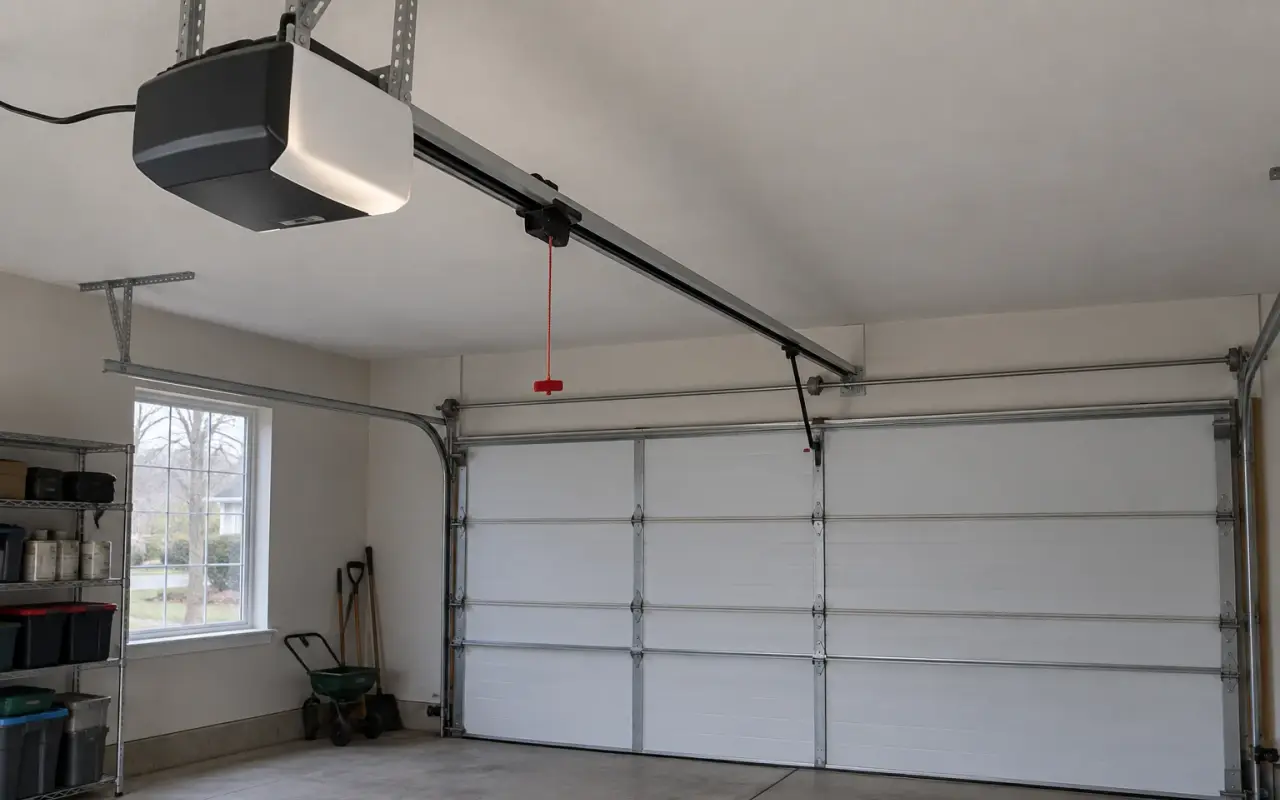
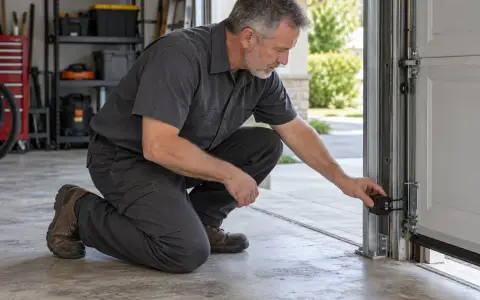
A cord with a handle, often red, hangs from the carriage that runs along the opener's rail. Pulling it disconnects the door so it can be moved by hand in a power cut. If someone pulled it, the opener's chain or belt runs and the carriage travels along the rail, but nothing is attached to the door.
How to tell: watch the carriage while the opener runs. If it travels and the door stays, the door is disconnected. The opener's manual explains how to reconnect it. Do this only if the springs are whole, and with the door closed if you can: the federal text in the manual says to use the release "only when the door is closed" where possible. A door with a broken spring should not be moved by hand at all.
2. A spring is broken
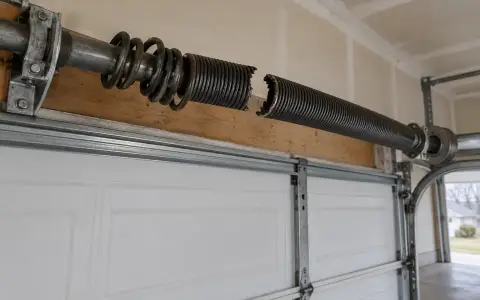
The opener is designed to move a door that its springs have balanced. With a spring broken, the opener tries, the door rises a few inches or not at all, and the safety system stops the motor.
How to tell: look for a gap in the coil above the door, or a slack spring along a track. If you see one, stop pressing the button and read broken spring. The federal text in every residential opener's manual is specific: "Weak or broken springs may allow the door to fall rapidly, causing injury or death" (16 CFR 1211.16(b)(2)).
3. The opener itself has failed
If the springs are whole, the door is connected and not locked or frozen to the floor, and the motor hums without the chain or belt moving, the fault is most likely inside the opener. Whether it is worth repairing depends on its age and on what else it lacks.
Age matters here. Openers had to reverse on contact from January 1, 1991, and a second, external protection, usually two photo-eye sensors near the floor, was required from 1993 (CPSC Pub. 523). The federal standard applies to openers manufactured on or after January 1, 1993 (16 CFR 1211.1). An opener without sensors near the floor may predate that. For an opener that old, replacement is the usual conversation: see opener replacement.
In California
A technician hired to service or repair a residential opener must, when the work is done, check that it reverses on contact with a rigid obstacle two inches high (Cal. Health & Safety Code § 19890(e)). If the opener fails, the same section requires the technician to attach a red certificate to it. Ask to see the check.
What the visit covers
A technician confirms which of the three it is, checks the springs and cables regardless, and says whether the opener is worth repairing before any work starts. The price is named after that inspection.
Updated 2026-09-30.
 Broken spring
 Snapped cable
 Off track
 Won't open
 Won't close
 Car hit the door
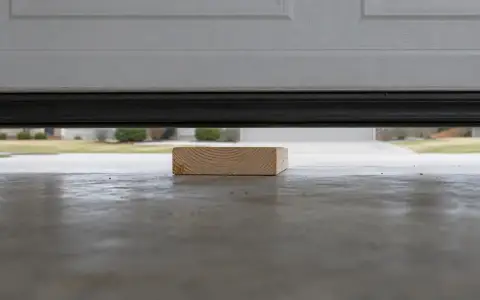 Reverse test
 Door replacement
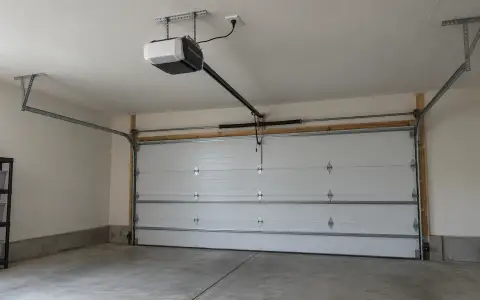 Opener replacement
 Wind-rated doors
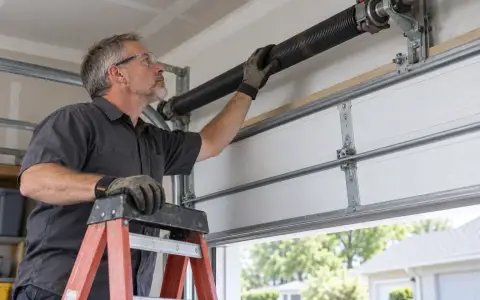 Before you call