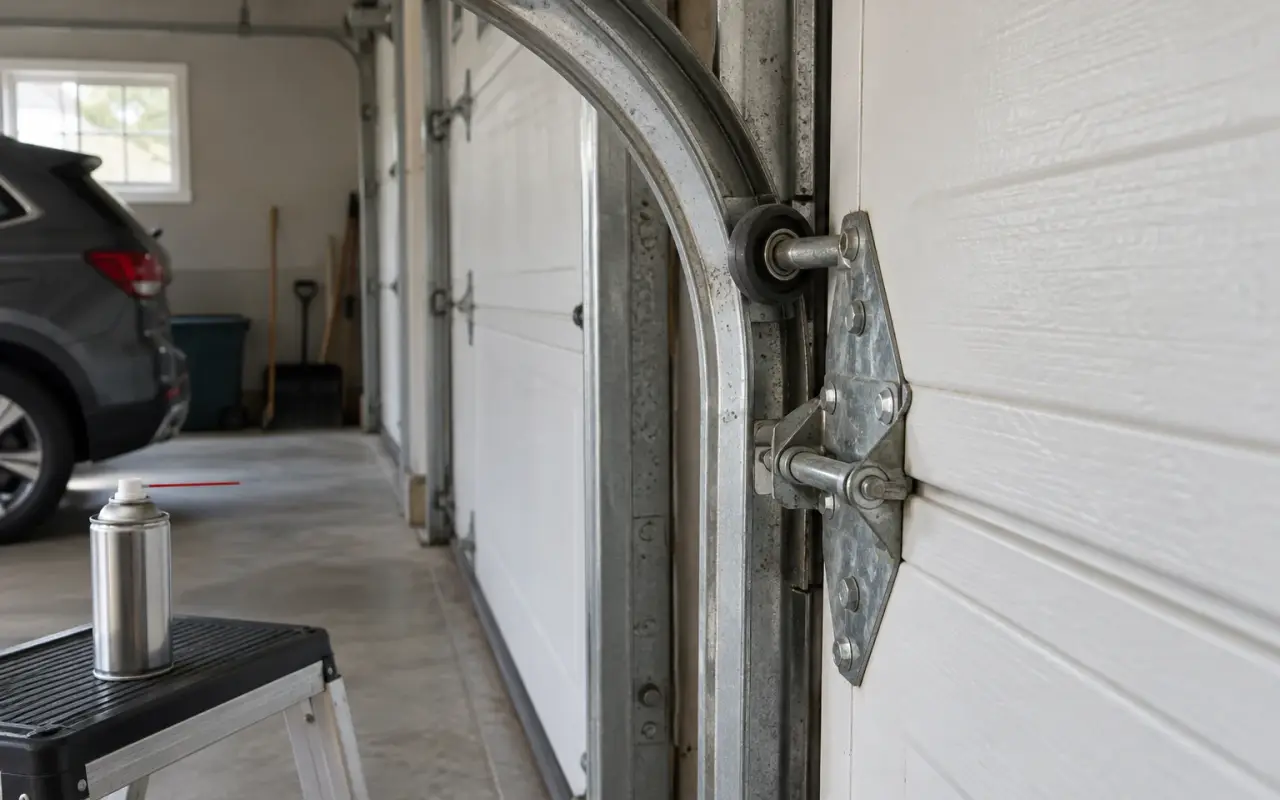
An opener needs less care than most people expect, and the door needs more. The manuals' schedules are short, and most of the monthly part is about the door and the safety system rather than the motor.
Every month
From the Chamberlain and Craftsman owner's manuals, which give the same list:
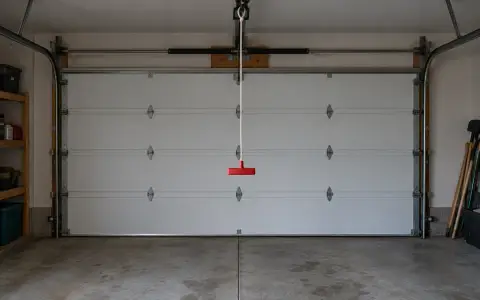
- Operate the door by hand. Disconnect the opener with the emergency release, with the door closed, and lift and lower the door. "If it is unbalanced or binding, call a trained door systems technician." See emergency release for how to disconnect and reconnect safely.
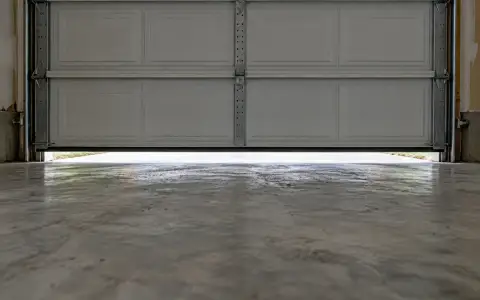
- Check that the door opens and closes fully. If it stops short or reverses at the floor, adjust the limits: travel limits and force.
- Test the safety reversal system. Lay a 2-by-4 flat under the door and close it; the door must reverse when it touches the board. The federal text in every residential opener's manual asks for this monthly. See the reverse test.
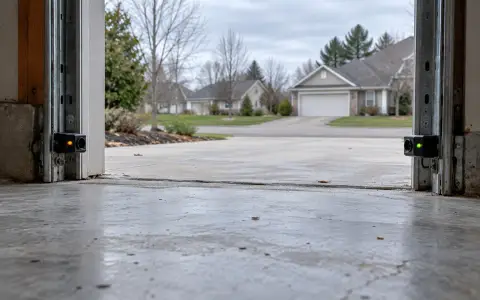
Look at the safety sensors while you are there: both lights steady, lenses clean, nothing leaning against them.
Twice a year: chain tension
The Craftsman chain drive manual adds a check of the chain's tension twice a year, with the trolley disconnected first. Its troubleshooting section describes the correct setting for that model: the chain about a quarter inch above the base of the rail, adjusted with the outer nut on the trolley, and it notes that the chain sags when the door is reconnected and closed, which is normal. Settings differ between models; follow yours.
Every year: oil, and where not to put it
Both manuals give the same instruction; this is the Craftsman wording:
Oil door rollers, bearings and hinges. The opener does not require additional lubrication. Do not grease the door tracks.
Note the last sentence: the tracks themselves get no grease.
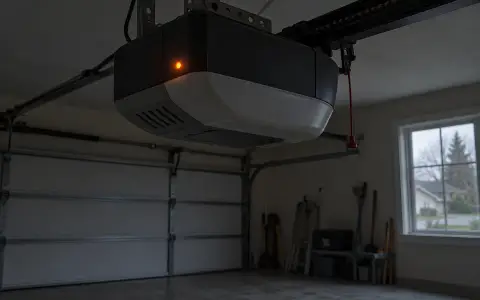
On a battery backup model, the Chamberlain manual adds a yearly test of the backup battery. See battery backup.
Screw drive openers: the exception
A screw drive opener moves the door with a long threaded rod in the rail, and that rod does need grease. Genie's support page:
- How often: about once a year.
- What: white lithium grease, Genie's own or another white lithium based grease. Genie stresses that "it is very important to select the correct type of lubricant."
- Not WD-40, which Genie says "will prevent the system from working properly."
- How: if old grease has built up, clean it off with mineral spirits. Starting at the door end of the rail, put a pea-sized amount of grease on the threaded rod, then another about every 2½ feet toward the motor. Run the opener a few times so the carriage spreads it.
Models differ, so check your opener's manual as well.
The remote's battery
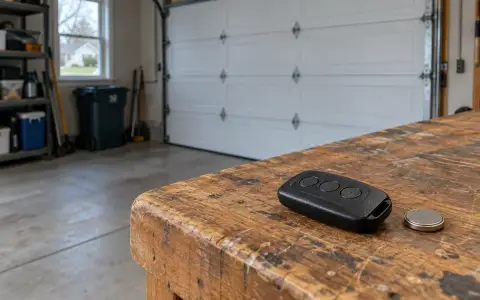
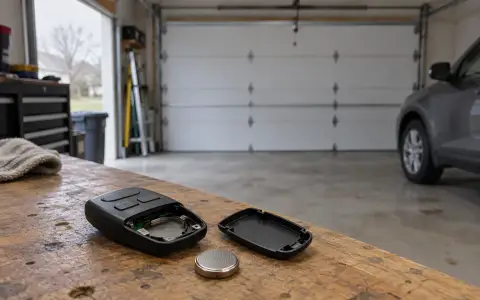
The Chamberlain manual says a CR2032 coin cell in its remotes "should produce power for up to 3 years," and that a low battery shows as a remote LED that no longer flashes when you press the button.
What is not on your list
Springs, cables, drums and the hardware holding them are under high tension. The federal manual text is explicit: "Have a qualified service person make repairs to cables, spring assemblies and other hardware." Oiling rollers, bearings and hinges is owner maintenance; adjusting or replacing springs and cables is not. See broken spring and snapped cable.
Updated 2026-10-11.
 LiftMaster remote
 LiftMaster keypad
 Blinking lights and codes
 Genie remote
 Genie keypad
 HomeLink in the car
 Erase all remotes
 Remote not working
 Craftsman remote and keypad
 Genie blink codes
 Safety sensors
 Travel limits and force
 myQ and Wi-Fi
 Universal remote
 Wall button not working
 Emergency release
 Battery backup
 Opener light bulbs